


Regenerative Travel at Siwash Lake | The Wildland Ecology Centre

The Wildland Ecology Centre at Siwash Lake is a nonprofit initiative rooted in regenerative travel and long-term land stewardship in British Columbia’s wild Cariboo region.

Created in response to the 2017 wildfire, it exists to study, restore, and protect a remarkable post-fire ecosystem while deepening the connection between people and place. For guests, it offers a meaningful way to experience the land—not just as it is, but as it is becoming.
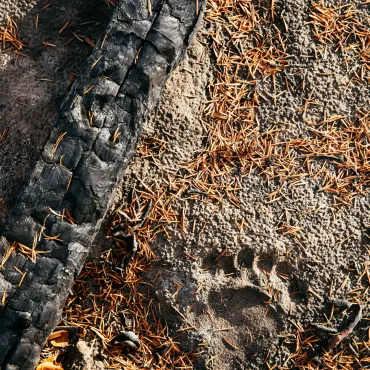


Black bear track among the ash
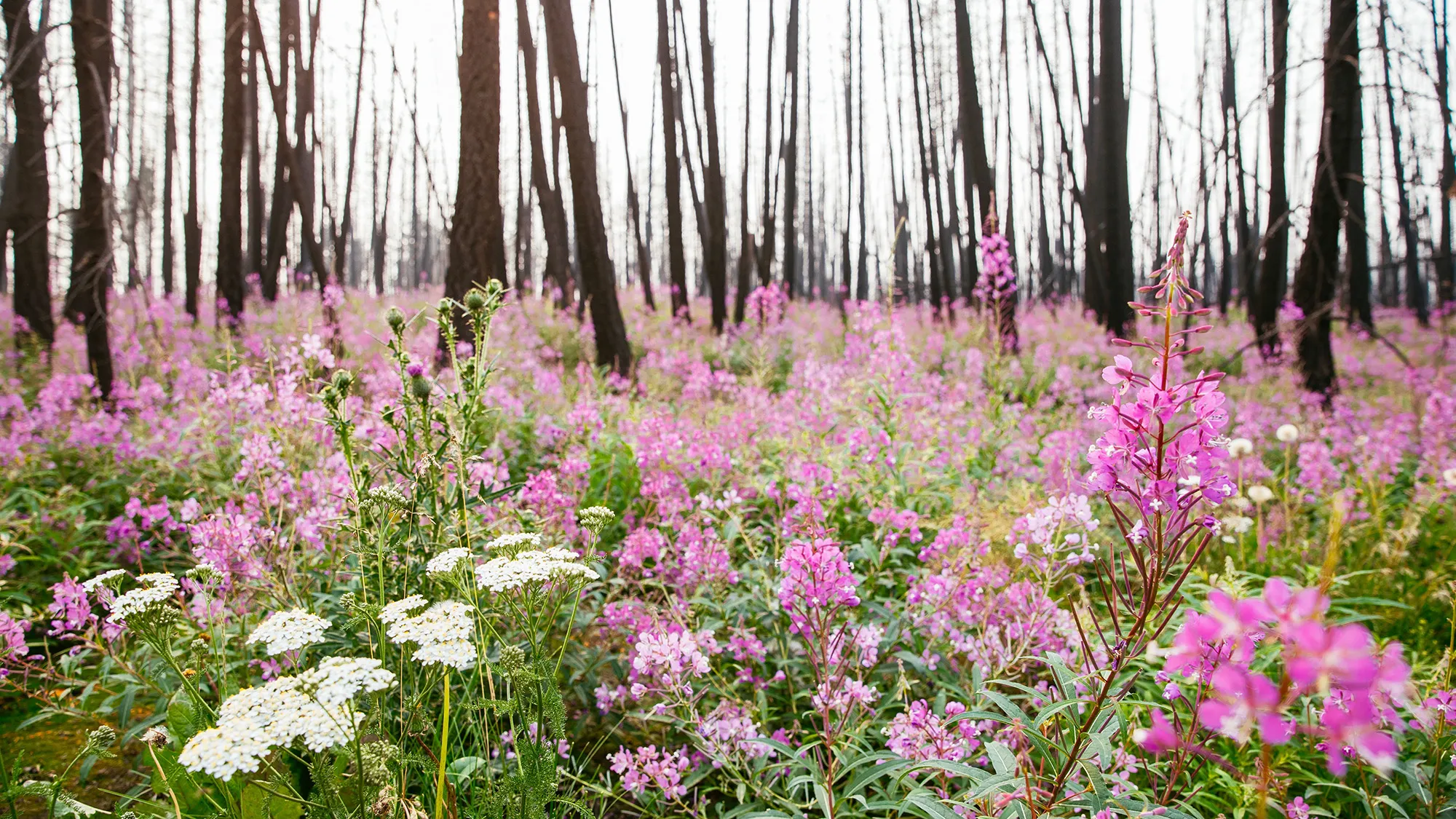
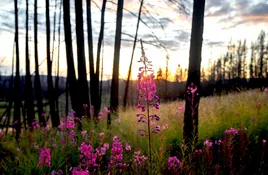
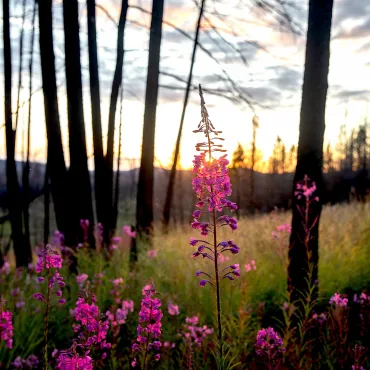
The beautiful wildfflower, Fireweed, that thrives after a forest fire, represents hope and resiliency
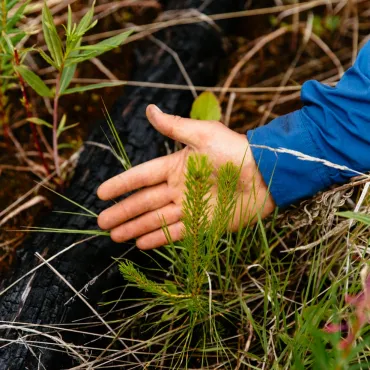
Tree planting at Siwash Lake.


A Legacy of Stewardship at Siwash Lake

Caring for the land has always been our guiding philosophy. For more than forty years, as stewards of this land at Siwash Lake, our family has lived with a simple commitment: to remain in harmony with the natural world while welcoming guests into it with care and intention.

That philosophy shapes everything here. The experience at Siwash Lake is not separate from the land—it is deeply connected to it. Guests often speak of the sense of calm they feel, of being immersed in something real and restorative. It is an extraordinary kind of closeness to nature—one that invigorates and restores in a way that is increasingly rare, and reminds us of what truly matters.

We take that responsibility seriously. From generating the majority of our power from the sun to operating with a light footprint across the ranch, our approach has always been one of thoughtful, long-term stewardship. This commitment has been recognized globally, including by National Geographic, which recognized Siwash Lake as a leader in sustainable tourism.


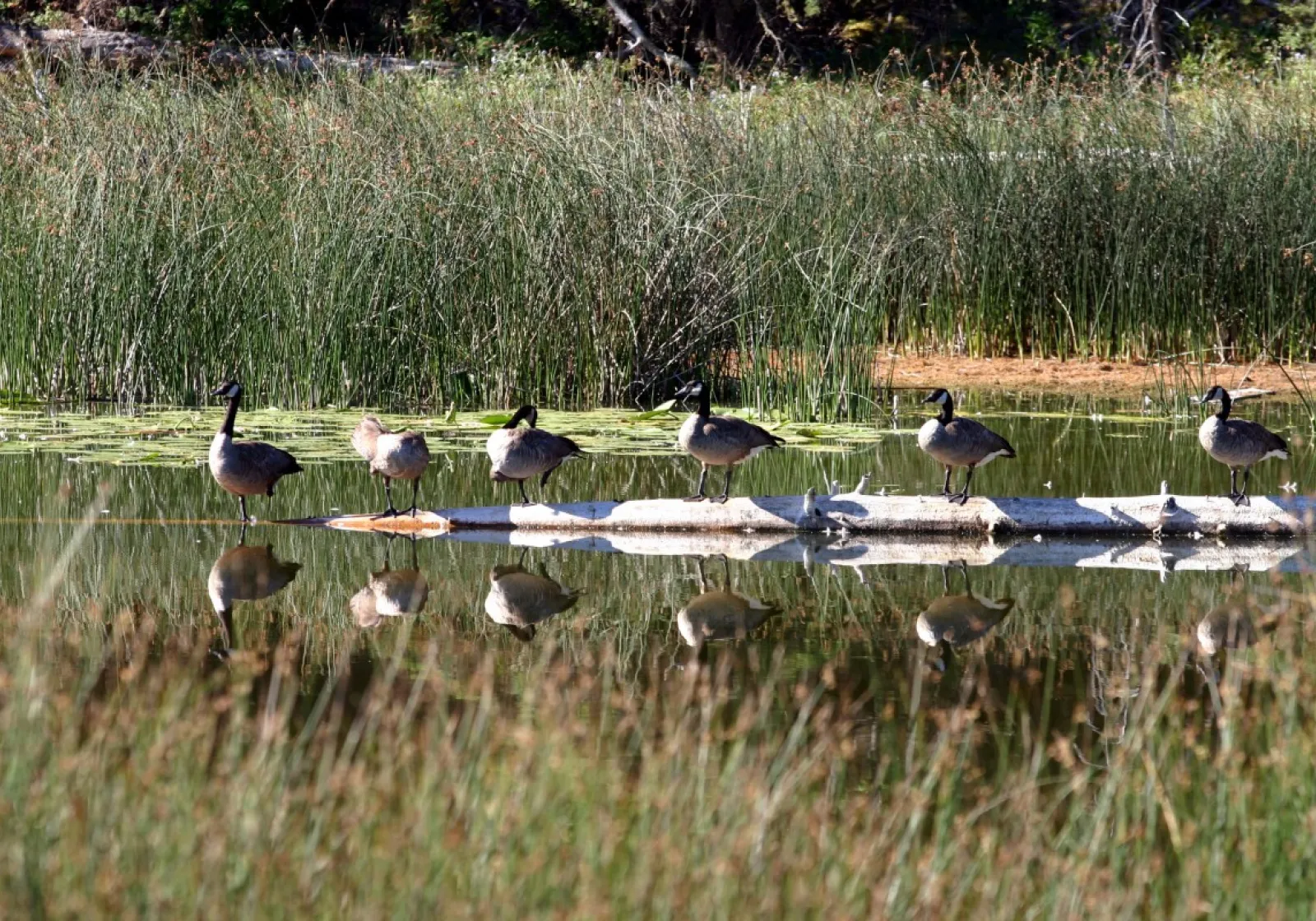
Canada geese nest in the marshes of our private Wildland Nature Reserve

In the Wake of Wildfire

Stewardship here has also meant adapting. In 2017, a devastating wildfire swept through much of the region, profoundly transforming the landscape. What followed was not a return to the past, but a deeper understanding that the land is always evolving.

In the wake of wildfire, we committed ourselves to protecting what remains, supporting regeneration, and learning from the changes unfolding around us.

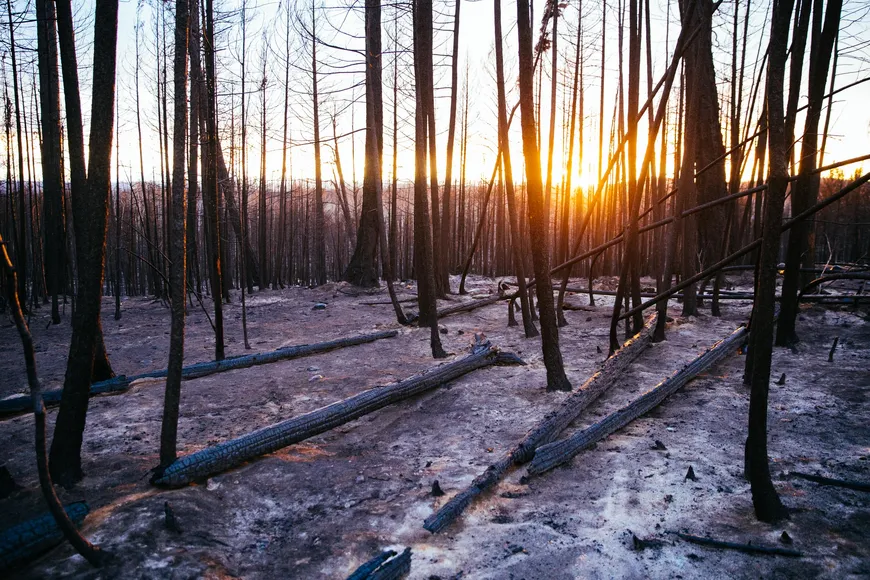
The immediate aftermath of wildfire


The Wildland Ecology Centre and Private Nature Sanctuary

We created the Wildland Ecology Centre as a natural extension of that commitment. The Centre is headquartered at Siwash Lake, alongside our private 80-acre Wildland Nature Sanctuary.

It is our nonprofit initiative dedicated to studying, restoring, and protecting this dynamic post-fire ecosystem in British Columbia’s Cariboo region. 

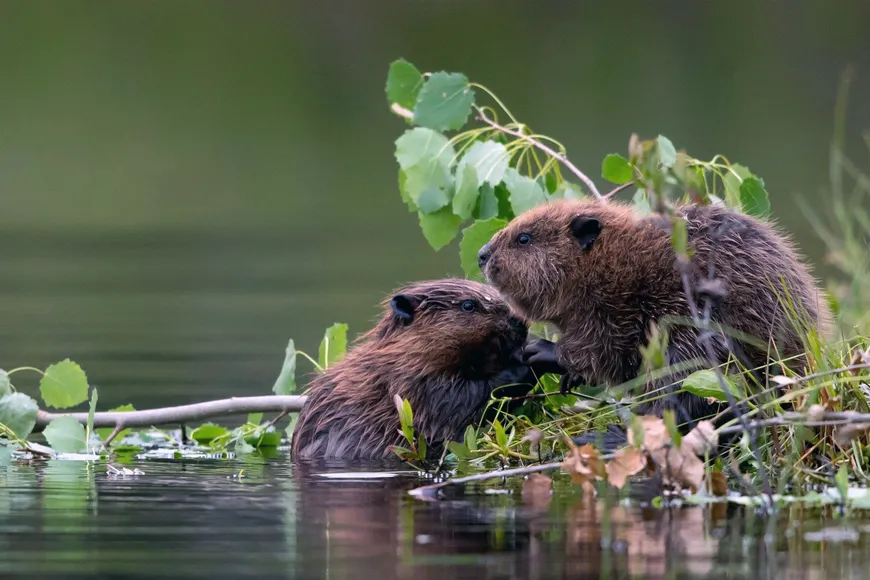
Rewilding rescued beavers at Siwash lake to help restore wetlands


The Wildland Interpretive Trail

At the heart of the Centre is the Wildland Interpretive Trail, which winds through our private Nature Sanctuary and offers an immersive way to experience our work on the land.

As you move through grasslands, young aspen forests, and regenerating wetlands, each stop reveals something deeper: how fire reshapes ecosystems, how water moves and sustains life, how species return and interact, and how the landscape is quietly rebuilding itself over time.


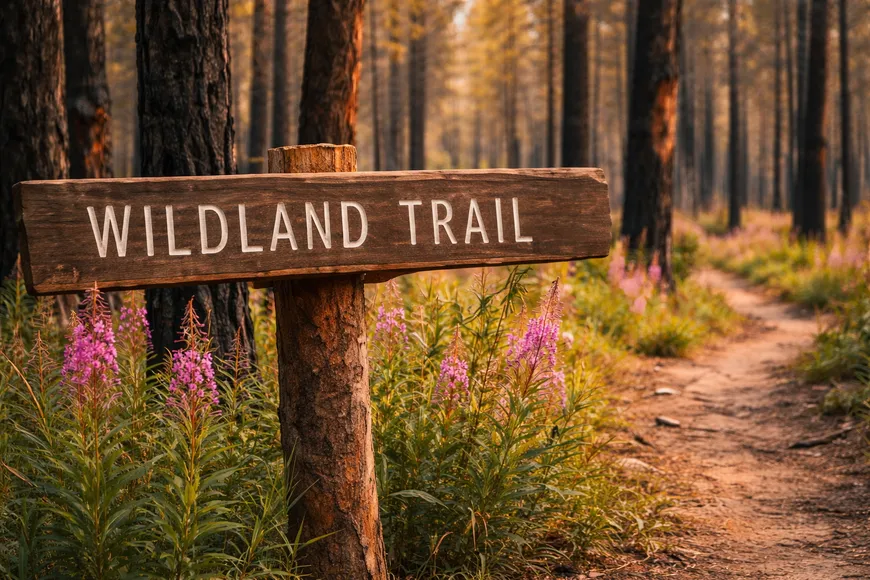
The Wildland Trail weaves through our post wildfire Wildland Sanctuary


Conservation, Culture, and Connection

Through conservation, reforestation, education, and collaboration with Indigenous communities, the Centre fosters a deeper connection to place while supporting long-term ecological health.

Empowerment camps for Indigenous youth, restoration projects, and ongoing advocacy are all part of this work—grounded in respect for both the land and the knowledge systems that have long understood it.

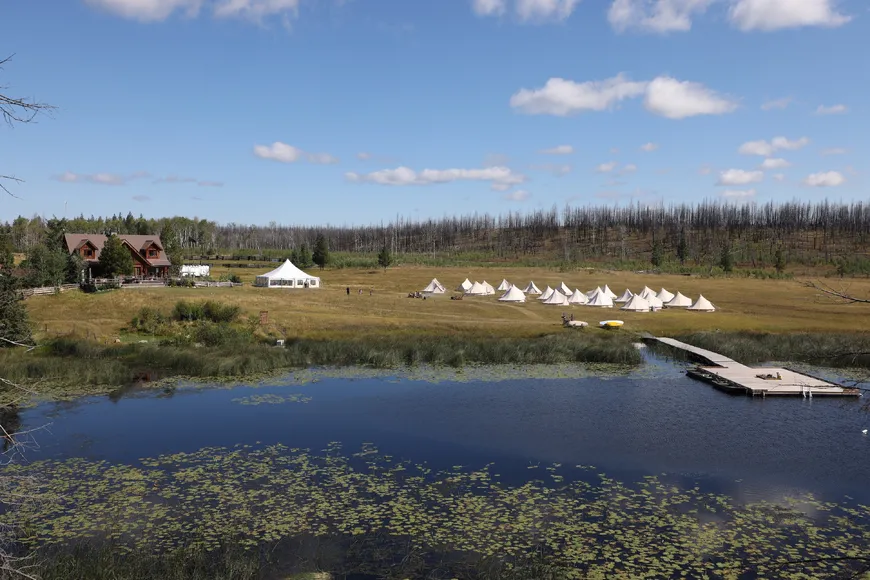
A Wildland culture camp setting at Siwash Lake


Our Work on the Land

The Centre’s work is expressed through a series of practical, ongoing projects across the landscape.

This work ranges from restoring wetlands and supporting wildlife to creating meaningful experiences on the land and supporting Indigenous-led land-based learning. Each initiative reflects a hands-on commitment to stewardship.

Together, they contribute to the long-term health and resilience of this place.

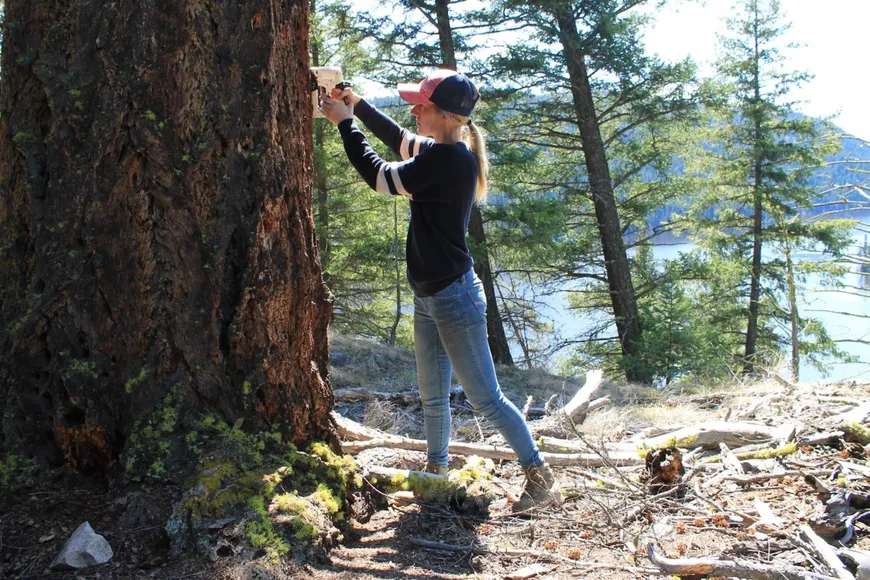
Hanging MCH strips to protect Douglas Fir from beetle infestation after wildfire


Ongoing Wildland Ecology Centre Projects

  • Hosting culture camps and youth empowerment experiences for Indigenous youth.
  • Rewilding rescued beavers to help restore wetlands.
  • Fencing the 80-acre Wildland Nature Sanctuary for conservation.
  • Aerating the lake to support water quality and aquatic habitat restoration.
  • Building wildlife blinds and signage along the Wildland Interpretive Trail.
  • Planting trees together with various industry partners, over 200,000 seedlings to date.

  • Protecting sensitive grasslands through support for non-motorized recreation and responsible public access within our 10,000-acre guiding territory.
  • Working with government agencies to help mitigate impacts on the watershed during logging activities.
  • Deploying MCH pheromones to protect surviving Douglas Fir trees from fir beetle attack.
  • Monitoring and measuring post-fire ecosystem health.


Fireweed in a black enchanted snag forest


Regenerative Travel with Meaning

For those considering a stay at Siwash Lake, the Wildland Ecology Centre reflects something essential: this is not a static wilderness, but a living landscape in renewal. Here, travel becomes more than escape—it becomes participation.

To stay at Siwash Lake is to travel with meaning, where time spent on the land supports its ongoing renewal and care. For those who feel a deeper connection to this place, there is an opportunity to support this work—extending your experience beyond your stay and contributing to the ongoing care and renewal of the land.